
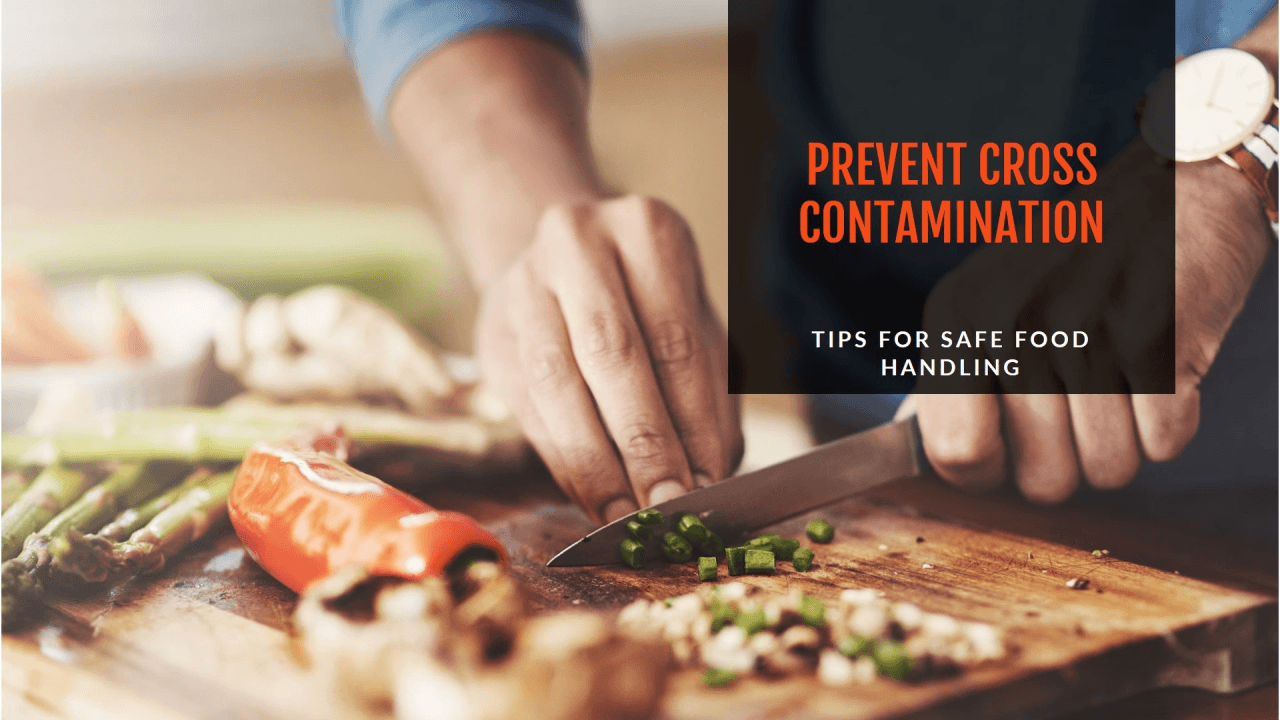
how to handle cross-contamination communicationon menus
Cross-contamination is the part of allergen communication where restaurants often get stuck. Some say too little and risk guest safety (and trust). Others say too much, with long disclaimers that sound like legal warnings — and that can scare guests away even when your kitchen is actually careful. The best approach isn’t a scary disclaimer. It’s a clear, honest system that matches how your kitchen really works.
This article is part of the Allergens, Nutrition & Menu Compliance pillar page, where you’ll find the full system for keeping your menu clear, safe, and compliant.
Allergen labels per dish are important, but they don’t answer the question many guests are really asking:
“Can I trust the kitchen process behind this menu?”
A guest with a severe allergy isn’t only thinking about ingredients. They’re thinking about shared fryers, shared grills, shared tongs, the cutting board used five minutes ago, and whether staff will treat their request seriously. If your menu doesn’t address kitchen handling at all, the guest has to guess. And guessing is exactly what they’re trying to avoid.
At the same time, promising “zero risk” is unrealistic and can create bigger problems. In a real restaurant kitchen, especially during peak hours, there is almost always some level of cross-contact risk — even with good processes. Your goal is not to promise perfection. Your goal is to communicate your process clearly, so guests can make an informed decision.
The strongest menus don’t use long, vague warnings like:
“We are not responsible for allergies.”
“May contain traces of everything.”
“All dishes may contain allergens.”
These lines don’t build trust. They make guests feel like you either don’t know your kitchen, or you’re trying to avoid responsibility without helping them. A better approach is simple and structured: show allergens per dish, then add one short statement about kitchen handling that matches reality.
1) Allergens per dish (structured, consistent, easy to scan)This is the foundation. Each dish should show allergens clearly (letters, icons, or a standard method). When allergens are consistent across the whole menu, guests can quickly identify options and narrow down what’s safe.
If your base allergen labeling is still messy, start with Allergen Labeling: What Restaurants Must Show, because cross-contamination messaging only works when dish-level allergens are reliable.
2) One short kitchen-handling statement (one place, not repeated everywhere)You do not need a disclaimer under every dish. One short, well-written statement near the allergen key (or in a dedicated “Allergen Info” section) is usually enough.
The best statements do three things:
Explain that cross-contact is possible in a shared kitchen
Mention the key realities (shared equipment, shared oil, shared surfaces)
Tell the guest exactly what to do next if they have a severe allergy
This keeps your menu clean and avoids scaring away guests who simply have mild intolerances.
3) A clear invitation to speak to staff for severe allergiesThis line is important because it sets expectations. It tells guests that you take allergies seriously and that there is a process. It also protects your team: instead of random questions at the table, guests know the right step.
Make it friendly and direct, not defensive. You want guests to feel welcome to ask — not like they’re creating a problem.
4) Wording that matches realityThis is the trust builder. If your menu implies a level of safety your kitchen can’t deliver, guests will lose trust fast — especially if staff responses don’t match the menu.
Examples of “reality points” you should reflect honestly:
Shared fryer (chips + breaded items)
Shared grill or flat-top
Shared prep surfaces during rush hours
Limited separate utensils
Ability (or inability) to handle severe allergies safely
You don’t have to list everything. You just need to avoid pretending the kitchen is something it’s not.
A good cross-contamination message doesn’t say “everything may contain everything.” It says: we label allergens carefully, we follow a handling process, and if you have a severe allergy, talk to us so we can guide you safely.
That tone matters. Guests don’t want fear — they want clarity. And clarity often improves sales because guests decide faster when they understand the rules.
If you also use dietary labels (vegan/vegetarian/halal), cross-contamination becomes even more important, because guests may assume “vegan” means “safe” (it doesn’t). Continue with Vegan / Vegetarian / Halal Labels: Best Practices (without confusion) to avoid mixed signals.
For digital menus, a good structure is:
Dish card shows allergens (letters/icons)
Allergen key + cross-contamination statement in one consistent spot (footer, info modal, or “Allergen Info” section)
Optional “Ask staff” prompt for severe allergies
For printed menus:
Allergen key at the bottom or inside cover
One short cross-contact note next to the key
Keep it readable (no tiny disclaimer text)
Cross-contamination is one part of a bigger menu compliance system. If you want to tighten your menu across the board, these are the next best reads:
Allergen Labeling: What Restaurants Must Show
Vegan / Vegetarian / Halal Labels: Best Practices (without confusion)
How to Add Calories & Nutrition Info (and when it matters)
Menu Wording That Reduces Liability (and increases trust)
Menu Templates for Allergen-Friendly Restaurants
And for the full overview, go back to the main pillar page: Allergens, Nutrition & Menu Compliance.