
allergen , labeling , what restaurants must show ?
Allergen information isn’t just a legal checkbox — it’s one of the fastest ways guests decide whether they can trust your restaurant. For someone with an allergy or intolerance, a menu without clear allergen details creates stress, hesitation, and risk. And most guests don’t want a long conversation with staff just to feel safe. They want a menu that shows key information clearly, especially in fast environments like cafés, quick-service restaurants, and busy dinner hours where staff are moving quickly and guests are making decisions under time pressure.
If your menu is digital (QR or online), clarity matters even more because the guest is deciding alone. They can’t easily “ask quickly” or read body language. They’ll either feel confident and order… or they’ll leave, pick something “safe but boring,” or avoid ordering altogether. In a digital menu, allergen labeling becomes part of the user experience. It’s not a side note — it’s core navigation.
This article is part of the Allergens, Nutrition & Menu Compliance pillar page, where you’ll find the full system for keeping your menu clear, safe, and compliant.
That’s why EU-focused allergen labeling should be built into your normal menu workflow, not added later as a “compliance step.” When restaurants treat allergens as an afterthought, they usually end up with inconsistent labeling, missing allergens on updated dishes, and translations that accidentally change meaning. The restaurants that do this well make it easy for guests to understand allergens at a glance, and easy for the team to keep information accurate over time.
Guests don’t evaluate allergen labels like inspectors do. They evaluate them emotionally and practically:
Is it easy to spot? If it’s buried, it feels unreliable.
Is it consistent? If one dish has allergens and another doesn’t, guests assume it’s incomplete.
Is it specific? Vague wording like “may contain” everywhere can reduce confidence if it’s not used correctly.
Does it match the staff’s reality? If the menu says one thing and staff say another, trust drops instantly.
Clear allergen labeling signals that your kitchen is organized, your team is trained, and your business respects guest safety. That’s why it also improves sales: when guests feel safe, they order faster and are more likely to add extras because they’re not stuck in “risk mode.”
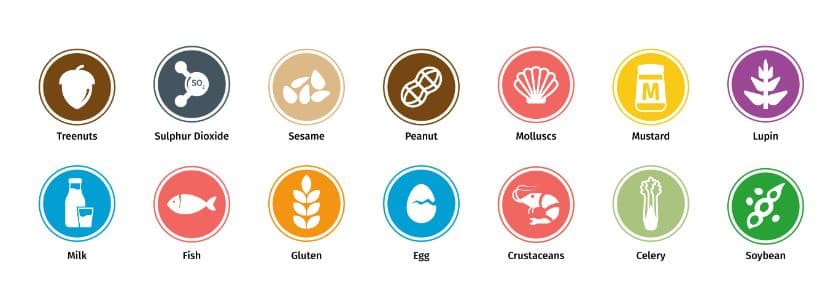
1) Pick one consistent allergen method (letters, icons, or bold text)Consistency beats creativity here. If you use letters (common in EU menus), stick to that system everywhere. If you use icons, make sure they’re readable on mobile and not confusing. Bold text inside descriptions can work, but only if it’s applied consistently and doesn’t create messy paragraphs.
2) Use the same allergen standard across all dishesThis is where many menus fail. The kitchen might be accurate, but the menu presentation isn’t. Example: your pasta dishes use allergen letters, but your desserts have none — the guest can’t know if it’s missing info or truly allergen-free. Even worse: one category uses “gluten” wording, another uses letter codes, and a third uses icons. That creates doubt.
Choose one standard and apply it across starters, mains, desserts, drinks (especially smoothies/shakes), specials, and kids menus.
3) Avoid hiding allergen info inside long descriptionsLong descriptions look nice, but they’re the worst place to hide allergens. Guests scan quickly. If allergen details are inside a paragraph, it’s easy to miss — and the restaurant looks careless even if the information is technically there.
Better patterns:
Put allergens in a separate “Allergens” line
Show allergen codes next to the dish name/price
Add a small allergen row under the description, clearly separated
4) Ensure translations don’t break allergen meaning (very common issue)Translation mistakes are one of the biggest hidden risks in multilingual menus. The dish name might translate fine, but allergen wording can become misleading. Common issues include ingredient confusion (“cream” vs “milk”), broad wording (“nuts”), or changing “contains” into “may contain.”
If you run a multilingual digital menu, keep allergens as structured data (letters/icons) that stays the same across languages, and translate only the dish name + description. This keeps the safety meaning stable.
The easiest way to stay compliant is to make allergen fields a normal part of adding or editing a dish. Not a spreadsheet someone updates “sometimes,” and not a PDF someone changes once a year — but part of the same flow where you update price, ingredients, and availability.
A simple workflow:
Create/Update dish
Set allergens (from a fixed list)
Save once → updates everywhere (QR menu, online menu, exports)
This avoids the classic problem: the kitchen changes an ingredient, but the menu stays old.
A guest should be able to filter or spot safe options quickly, understand your allergen system in seconds, and trust it’s complete. Your team should be able to update allergens in seconds when a dish changes — especially before rush hour.
If your biggest challenge is not the allergen list itself but how to warn guests about traces and shared equipment, continue with How to Handle Cross-Contamination Communication on Menus.
Allergens are only one piece of a modern menu compliance system. Once allergen labeling is clean, restaurants usually want to align it with dietary labels, nutrition info, and safer wording.
Related guides in this pillar:
How to Handle Cross-Contamination Communication on Menus
Vegan / Vegetarian / Halal Labels: Best Practices (without confusion)
How to Add Calories & Nutrition Info (and when it matters)
Menu Wording That Reduces Liability (and increases trust)
Menu Templates for Allergen-Friendly Restaurants
And anytime you want the full overview again, return to the main pillar page: Allergens, Nutrition & Menu Compliance.