
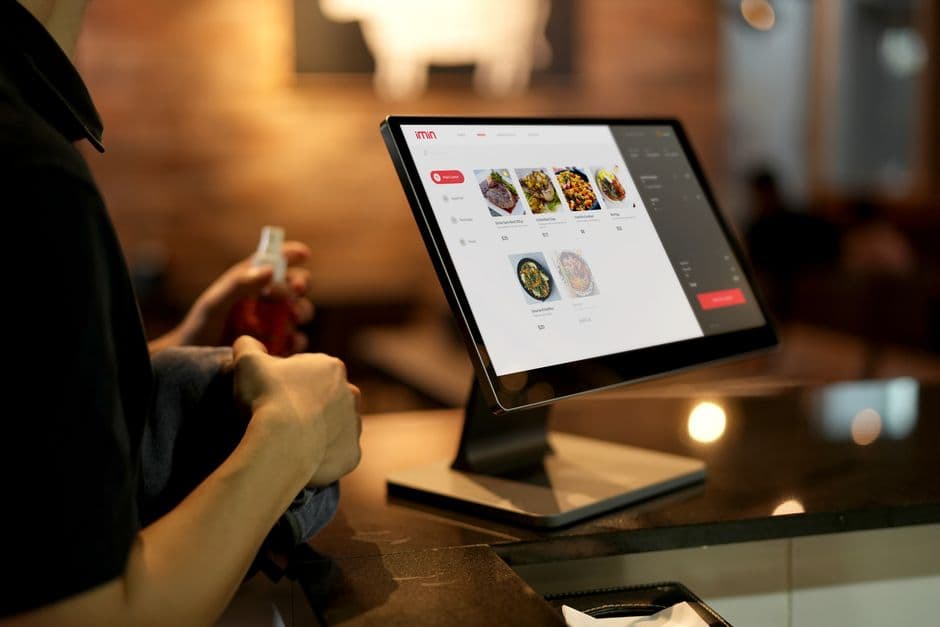
Specials, Bundles, and Featured Blocks: What to Highlight First on a Digital Menu
A digital menu gives you more control than a printed one, but that also means every placement decision matters. If guests see too many promotions at once, they skip past them. If they see the right offer first, you can increase conversion, lift average order value, and make ordering feel easier instead of more complicated.
Start each featured block with one goal only: create urgency, simplify the meal choice, or raise average order value.
Guests do not read a digital menu from top to bottom like a printed booklet. They scan, tap, and decide quickly, often during a lunch break, while standing at the counter, or during a busy dinner rush. That makes first-screen placement one of the most valuable areas on your menu. The items you feature there shape what guests notice, what they compare, and what feels like the easiest next step.
This is why restaurant menu promotions need a clear purpose. Your featured area should not become a dumping ground for every special, new dish, and seasonal message. It should guide attention toward offers that are timely, easy to understand, and operationally realistic for your team to deliver. When you highlight specials on a menu with intention, you help guests choose faster and help staff avoid confusion.
A featured block is not just a marketing slot. It is a decision shortcut. The best featured specials digital menu layouts reduce friction by showing guests the most relevant offer first, whether that is a lunch combo, a weekend special, or a limited-time dessert.
Not every offer belongs at the top of your digital menu. Prime placement should go to items that create urgency, improve order value, or support a current business goal. If an offer does none of those things, it may still deserve a place on the menu, just not the most visible one.
A simple way to prioritize is to ask three questions: Does this offer need attention now? Does it make ordering easier? Does it improve margin or basket size? If the answer is yes to at least two, it is a strong candidate for a featured block.
A limited time offer menu placement strategy works best when the item has a real reason to be shown now: a seasonal dish, a holiday dessert, a chef special for the weekend, or a promotion tied to available inventory. These offers benefit from urgency, and they lose impact when buried inside a category. If you want guests to act before the offer disappears, place it high on the menu and label it clearly.
A restaurant bundles menu can perform especially well when guests want a fast, low-friction decision. Think lunch combos, family meal deals, burger-plus-drink bundles, or a pizza and salad pairing. These are strong featured items because they reduce decision fatigue and can raise average order value without feeling pushy. If a guest would otherwise build the meal item by item, the bundle gives them a faster path.
If you have a dish, drink, or dessert that represents your brand well and performs profitably, it can earn a top position even if it is not limited-time. This works best when the item is visually appealing, easy to explain in one line, and widely relevant. A signature ramen, house cocktail, or bestselling appetizer can anchor your featured area when you are not running a time-sensitive promotion.
The biggest mistake with restaurant menu promotions is trying to feature everything at once. Guests cannot quickly compare six competing offers, especially on mobile. Instead of adding more blocks, make each block stronger. One strong message beats several weak ones.
A good rule is to organize featured content by intent, not by internal preference. Put the most important conversion driver first, then support it with one or two secondary highlights. This keeps the page focused and gives guests a clearer path to order.
Use this checklist before publishing a featured section on your digital menu:\n1. Choose one primary goal: urgency, upsell, or awareness.\n2. Limit the first screen to one main featured offer and at most two supporting items.\n3. Write short labels guests understand immediately, such as Limited Time, Lunch Combo, or Staff Favorite.\n4. Show value clearly: what is included, what makes it special, and any relevant price point.\n5. Make the path obvious with a direct tap target that opens the item or bundle details.\n6. Remove expired or unavailable promotions immediately so guests do not lose trust.
Your first featured card should do the heaviest work. Make it the easiest to spot, with a strong title, a short supporting line, and a clean image if you use one. Secondary featured items should look intentionally secondary. If every card is equally loud, none of them feels important.
Do not combine a discount message, a new-item message, a combo message, and a seasonal message inside the same visual block. Guests should understand the offer in seconds. If they need to decode it, they move on.
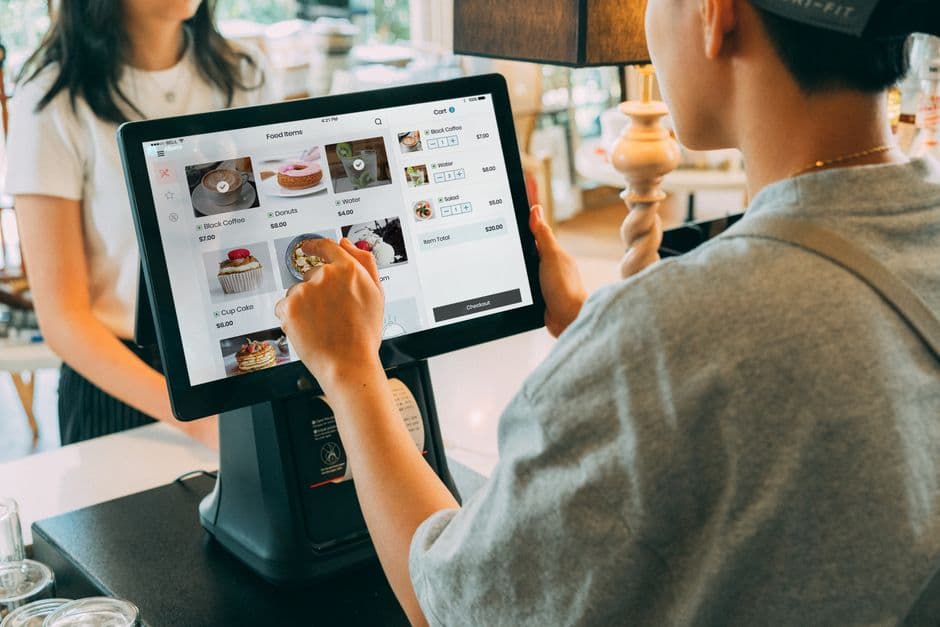
Related: Build Better Pairings and Add-Ons Without Making Menus Feel Pushy
If every item is labeled special, guests stop noticing your specials. Keep the featured area focused and current.
The best highlight specials menu strategy changes based on how guests are ordering. Dine-in, pickup, and delivery customers do not behave the same way. A quick lunch guest may want a combo that speeds up decision-making. A delivery customer may respond better to a family bundle or an add-on dessert. A dine-in evening guest may be more interested in a special starter, seasonal cocktail, or premium dish.
Daypart matters too. A breakfast special should not stay at the top during dinner service. A pickup bundle designed for office workers will likely underperform late at night. The more closely your featured area reflects real ordering context, the more useful it feels to guests and the more effective it becomes.
Lunch: lead with a combo meal or fast pickup special. Dinner: lead with a higher-value bundle, shareable appetizer, or chef feature. Delivery: highlight group meals, family bundles, and easy add-ons. Tourist-heavy locations: feature your signature dish first and support it with a multilingual menu description when needed.
Only feature offers your team can execute consistently during busy hours. If a bundle slows the kitchen, if a special uses inventory that runs out early, or if the offer creates confusion at pickup, it does not deserve prime placement yet. Good menu merchandising should support operations, not fight them.
For a comprehensive overview, see our guide: Restaurant Menu Analytics & Upsells: Use Digital Menu Data to Improve Conversion and Average Order Value
Featured placement is not a set-it-and-forget-it decision. A strong offer can go stale. A limited-time promotion can end. A bundle that looks good on paper can underperform in real ordering behavior. That is why you should review featured items on a regular schedule and rotate them based on what guests actually do, not what you hoped they would do.
Look for simple signals first: views, clicks, orders, attach rate, and whether the offer lifts average order value. If a featured item gets attention but few orders, the problem may be price clarity, description quality, image choice, or placement. If it gets orders but adds kitchen pressure, the problem may be execution rather than demand.
Ask these questions once a week: Which featured item got the most views? Which one converted best? Which bundle increased order value? Which special created operational friction? Which offer should be removed, refreshed, or moved lower? This small review habit keeps your digital menu aligned with both guest behavior and staff capacity.
One advantage of a digital menu is that you can make real-time updates instead of waiting for a reprint. If a special sells out, remove it. If a weekend bundle performs well, keep it visible during the right service window. Tools like EasyMenus make this easier by letting you update items quickly, manage dine-in, pickup, and delivery settings, and keep your online ordering experience current without slowing down your team.

Related: How to Reorder Categories and Featured Items Based on Menu Performance
If you want better results from your digital menu, do not start by adding more promotions. Start by choosing the right ones to feature first. Limited-time specials, combo meals, and high-margin bundles usually deserve the most visible space when they match a clear sales goal and fit your operation. Keep the page focused, match featured blocks to guest context, and review performance regularly. When your menu highlights the right offer at the right moment, ordering feels easier for guests and more profitable for your restaurant.