
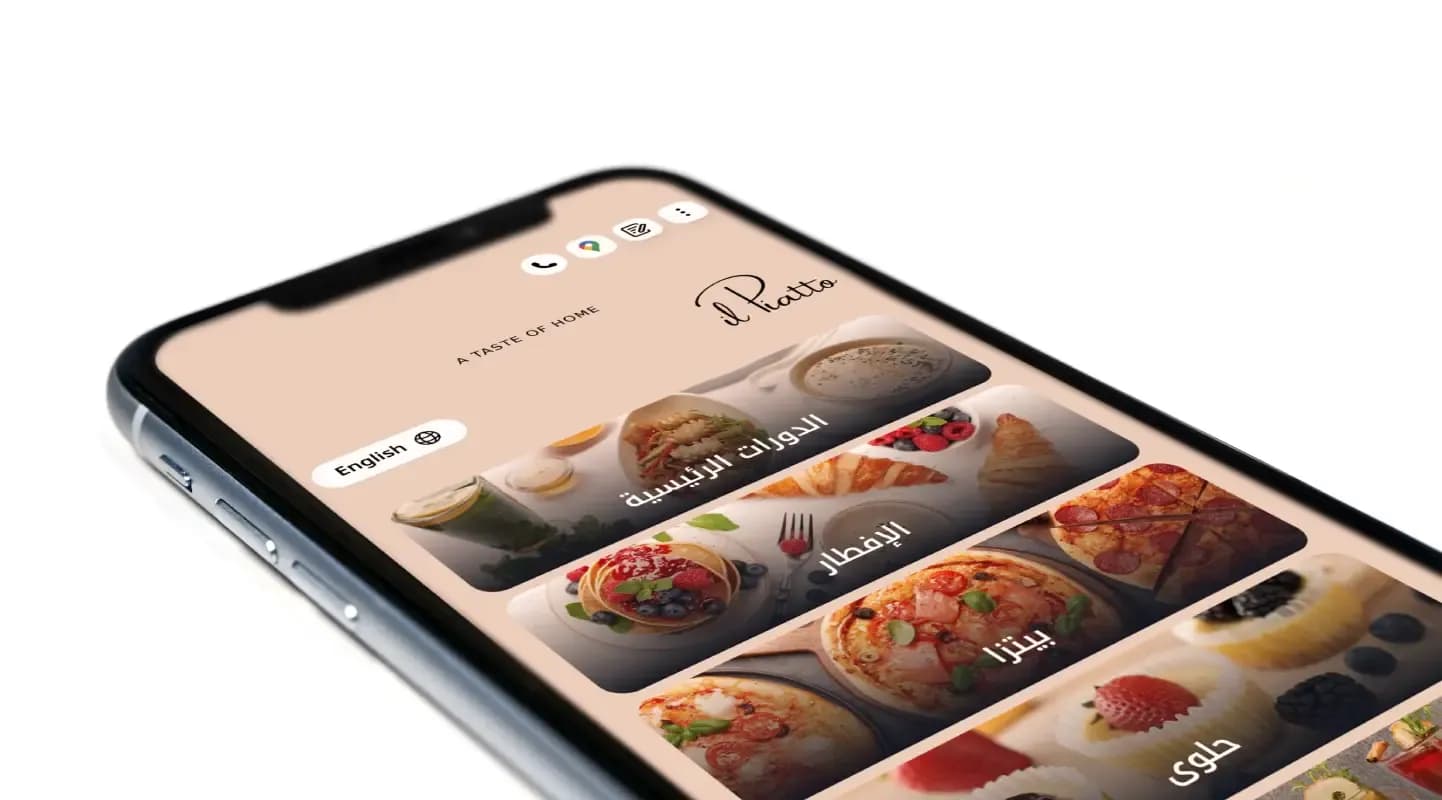
Tourist-heavy areas don’t just need a “menu in many languages.” They need a menu that makes sense in many languages. That’s the difference between translation (words) and localization (meaning, culture, and expectations). If your menu reads weird, confusing, or “too literal,” tourists hesitate, ask fewer questions, and often choose the safest (and usually cheapest) option.
This pillar page breaks down the most common localization problems and links you to deeper guides so you can fix them fast—without turning your menu into a textbook.
Why Direct Translation Fails (and what to do instead)
If you translate line-by-line, you usually keep the original structure, assumptions, and local references—so the result becomes technically “correct” but practically useless. Tourists don’t have your cultural context, so they can’t decode what locals understand instantly.
To see exactly why literal translations backfire (and the smarter alternatives restaurants use), read Why Direct Translation Fails (and what to do instead)—it’ll help you spot the red flags (machine-sounding phrases, awkward food terms, and unclear ingredients) and replace them with menu language that converts.
Translating Dish Names vs Descriptions: What to Keep, What to Change
Dish names often carry identity (and SEO/brand value), while descriptions carry clarity (and sales value). The mistake is translating both the same way. Some dish names should stay in the original language (with a short explanation), while others should be adapted so tourists instantly understand what they’re ordering.
If you want a clean rule set for deciding what stays, what changes, and how to format both for maximum clarity, use Translating Dish Names vs Descriptions: What to Keep, What to Change—especially useful for traditional items, street-food terms, or anything with a “story name.”
Cultural Food Terms: How to Explain Local Dishes to Tourists
Many menus lose sales because they assume tourists know what locals know. Terms like mezze, sugo, ragù, schnitzel styles, molokhia, or regional cuts and cooking methods can be unfamiliar—even if the tourist is adventurous.
The goal isn’t to over-explain. It’s to give one helpful clue: cooking method + main ingredient + texture/flavor direction. For practical phrasing patterns and examples that don’t clutter your menu, go through Cultural Food Terms: How to Explain Local Dishes to Tourists.
The Best Languages to Add (based on your city’s visitors)
Adding 10 languages sounds helpful—until you’re maintaining 10 versions during price changes, seasonal updates, and item swaps. More languages can actually create more mismatches and more “wrong info” moments.
A smarter approach is to pick the highest-impact languages based on your real visitors (hotel neighborhoods, tour routes, airport flows, seasonal tourism, and your typical customer questions). To choose the right set without guessing, use The Best Languages to Add (based on your city’s visitors)—it helps you prioritize ROI and avoid translation bloat.
How to Avoid Bad Translations That Kill Trust
Bad translations don’t just confuse—they reduce trust. If a tourist sees weird ingredient wording or a mistranslated allergen note, they assume the kitchen is careless too. That’s when they either don’t order, order the safest item, or leave.
Trust-safe localization means:
consistent ingredient terms (same word used the same way everywhere)
clear allergen and dietary labels (not “creative writing”)
short descriptions that match what arrives at the table
avoiding overpromises (“gluten-free” when cross-contamination is possible)
For a checklist-style guide (including the common “AI translation” traps and how to proof fast), read How to Avoid Bad Translations That Kill Trust.
Localization Examples: Italian / Arabic / German / English menus
The fastest way to improve is to look at real examples—because each language has different expectations for tone, detail, and how dishes are explained.
Good localization changes things like:
Italian menus: clarity on sauces, cuts, and cooking methods—without losing tradition
Arabic menus: readable food phrasing + culturally clear ingredient wording (and often better category structure)
German menus: precision, directness, and ingredient transparency (tourists often expect specifics)
English menus: universally understandable descriptions, avoiding slang and overly local references
For side-by-side patterns you can copy (including formatting and structure, not just words), go through Localization Examples: Italian / Arabic / German / English menus.
Tourists order what they understand—and they trust what feels clear and professional. With EasyMenus, you can translate and localize your menu the right way: keep dish names consistent, adapt descriptions for cultural clarity, avoid embarrassing translation mistakes, and publish clean layouts in every language you support. Update prices, availability, and seasonal items once, and keep all languages synced automatically.
Start your EasyMenus menu today and turn your multilingual menu into a confident ordering experience for every visitor.