Introduction
Starting a food business is exciting, but understanding the real startup costs is essential before you begin. Whether you dream of launching a cozy coffee shop, a lively bar, a charming bakery, or even a small restaurant that could grow into a full restaurant, your investment can vary widely depending on concept, location, and scale.
This guide is your starting point — a comprehensive overview that connects all the key topics around food business costs, budgeting, planning, and smart ways to save. As you read, you’ll find links to more detailed cost guides for each type of business.
Why Startup Costs Matter
Opening any kind of restaurant or café means balancing passion with planning. Rent, kitchen equipment, furniture, design, licenses, and staff all add up quickly. Without a clear understanding of your total investment, it’s easy to overspend before you even open your doors.
The goal of this guide is to help you plan with confidence — and to show how modern tools like EasyMenus can simplify many costly parts of restaurant setup, from menu design to updates and marketing.
Typical Investment Ranges
Each type of food business has its own cost profile. For example, a coffee shop might start from around €20,000, while a full restaurant can easily exceed €200,000. A bar sits somewhere in between, with additional expenses for alcohol licenses and décor. Smaller concepts like a bakery or small restaurant often require less capital but still demand thoughtful planning.
These ranges are meant as a guide, not a rule — your actual costs will depend on your location, size, and design vision.
The Main Cost Drivers
Some of the most common areas where entrepreneurs spend their startup capital include:
• Location and Rent – Choosing the right area can make or break your business. Central spots attract customers but also higher rent.
• Equipment and Design – From coffee machines to ovens, tables, chairs, and lighting — your equipment defines the customer experience.
• Licensing and Permits – Depending on your city, you’ll need food handling certificates, health inspections, and possibly alcohol licenses.
• Staffing – Even a small café requires reliable staff. Don’t forget to budget for uniforms, training, and early payroll.
• Marketing and Menus – Your menu is your brand’s voice. Digital tools like EasyMenus allow you to update prices, photos, and languages instantly, saving hundreds on printing and design.
Comparing Business Types
If you’re thinking of opening a coffee shop, your main expenses will revolve around espresso equipment, seating, and branding.
A bar will need lighting, refrigeration, and proper permits for alcohol service.
A bakery invests more in ovens, display cases, and fresh ingredient supply.
A small restaurant or full restaurant adds kitchen systems, table service, and design costs.
Each model has its own logic — and you’ll find detailed breakdowns for each type in the specific guides linked throughout this page.
How to Save on Startup Costs
Even with limited capital, there are smart ways to make your money go further:
• Start small and scale later — test your concept before investing heavily.
• Choose modular or refurbished equipment instead of buying new.
• Use digital menus to cut down on printing.
• Market online using free social channels before hiring agencies.
• Partner with local suppliers for better pricing and shared promotions.
Planning Beyond Opening Day
Launching your café or restaurant is just the beginning. Many new owners forget to plan for the first six months of operating costs. Always include:
• Rent and utilities for at least half a year.
• Staff salaries and onboarding costs.
• Initial stock and supply replenishment.
• Marketing campaigns to attract first customers.
• Maintenance or small renovations after opening.
Explore the Full Cost Guides
If you’re ready to go deeper, you can explore the detailed cost breakdowns for each type of food business here:
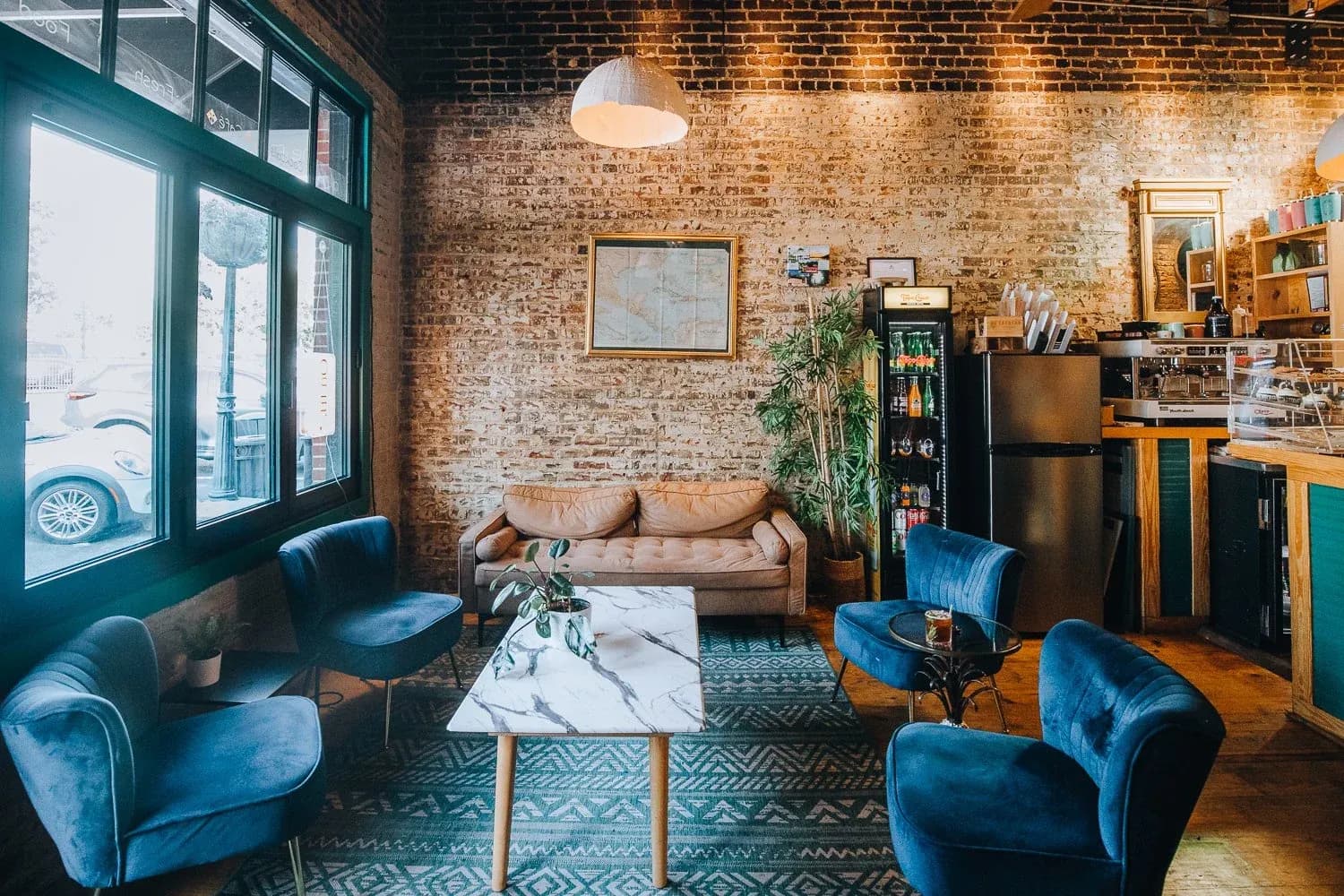
How Much Does It Cost to Open a Coffee Shop
Learn real coffee shop startup costs, from equipment and design to smart ways to save. Get expert insights and tools to plan your café.
Read More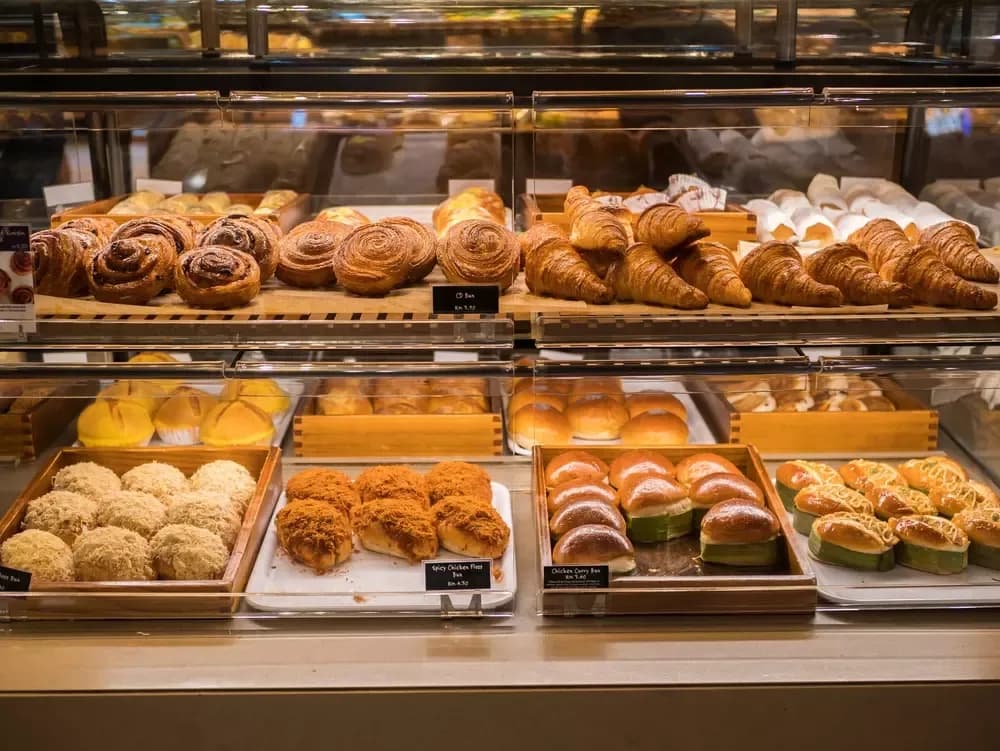
How Much Does It Cost to Open a Bakery
Learn real bakery startup costs, from ovens and ingredients to staffing and design. Discover smart tips to save and plan your bakery business.
Read More
How Much Does It Cost to Open a Bar
Discover real startup costs for opening a bar, from licensing and equipment to smart ways to save and plan your launch effectively.
Read More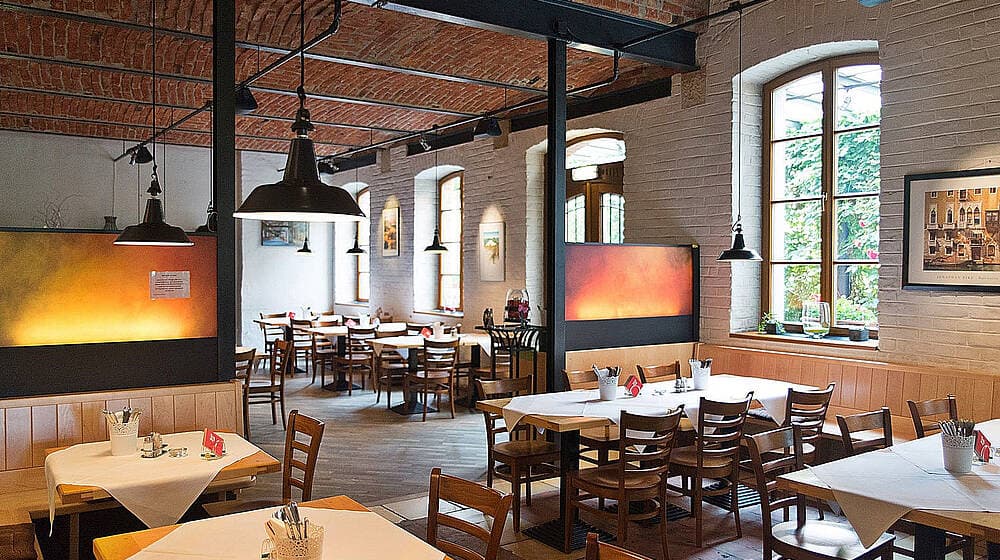
How Much Does It Cost to Open a Restaurant
Understand real restaurant startup costs, from rent and kitchen setup to staffing and design. Learn smart ways to plan and save effectively.
Read MoreHow Much Does It Cost to Open a Small Restaurant
Find out real startup costs for small restaurants, from kitchen and décor to staffing and marketing. Learn smart ways to plan and save money.
Read MoreFinal Thoughts
Opening a restaurant or café isn’t just about food — it’s about planning. By knowing your numbers, choosing the right concept, and using digital tools like EasyMenus to manage your menus and operations, you can save time, reduce expenses, and focus on creating something customers will love.
The first step to success is understanding your true costs. Explore the guides above to discover exactly what it takes to turn your idea into a thriving business.